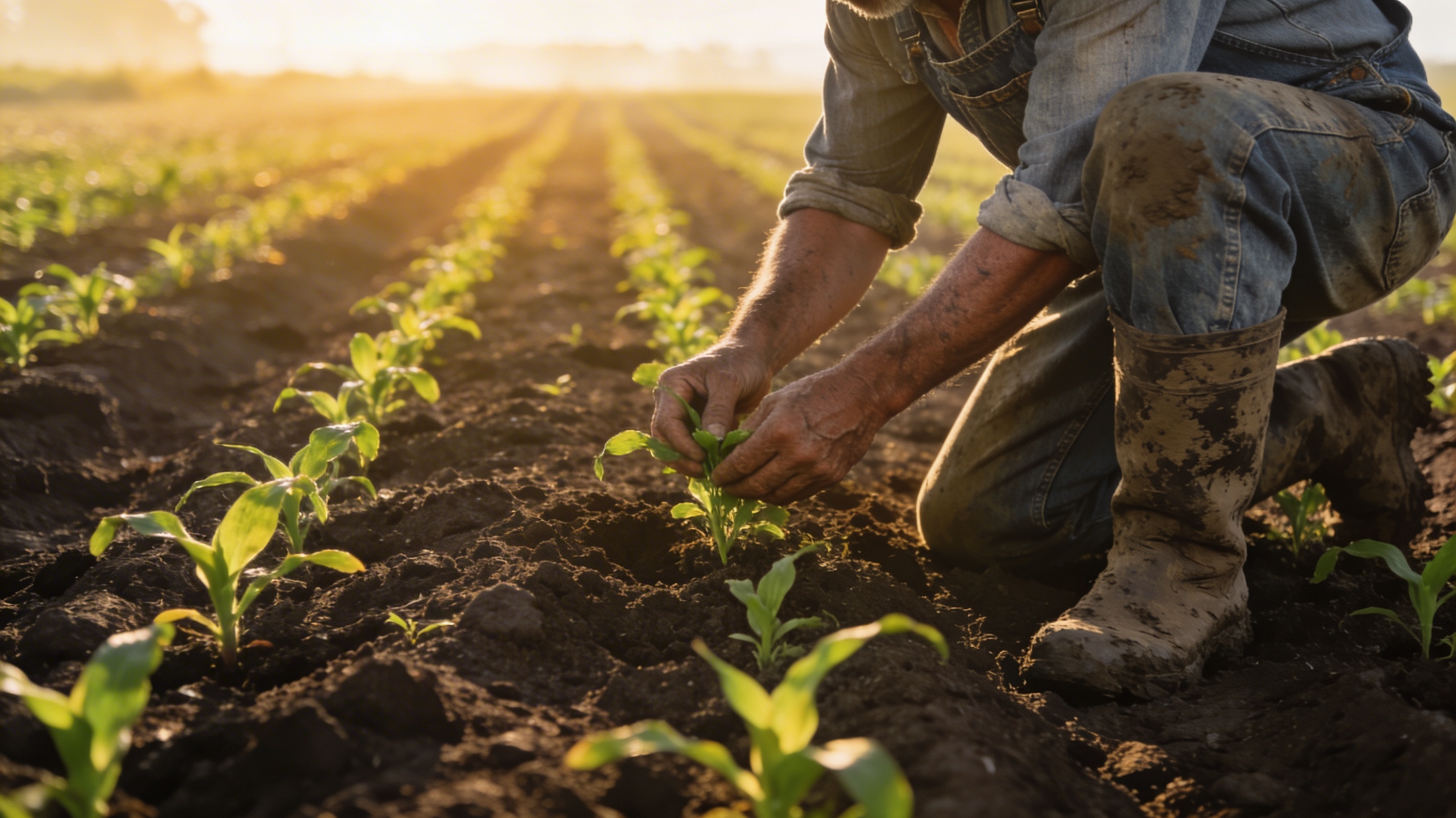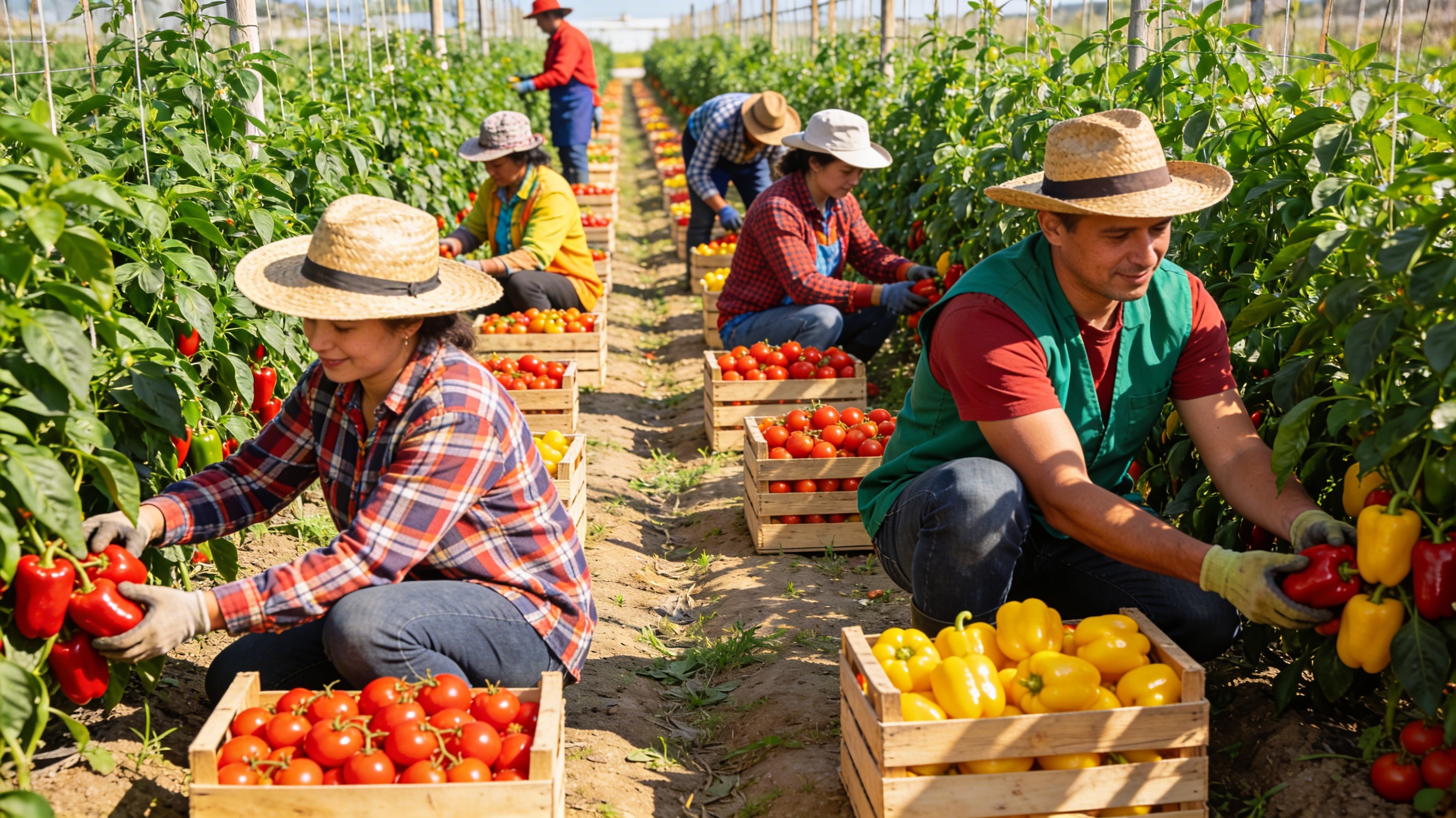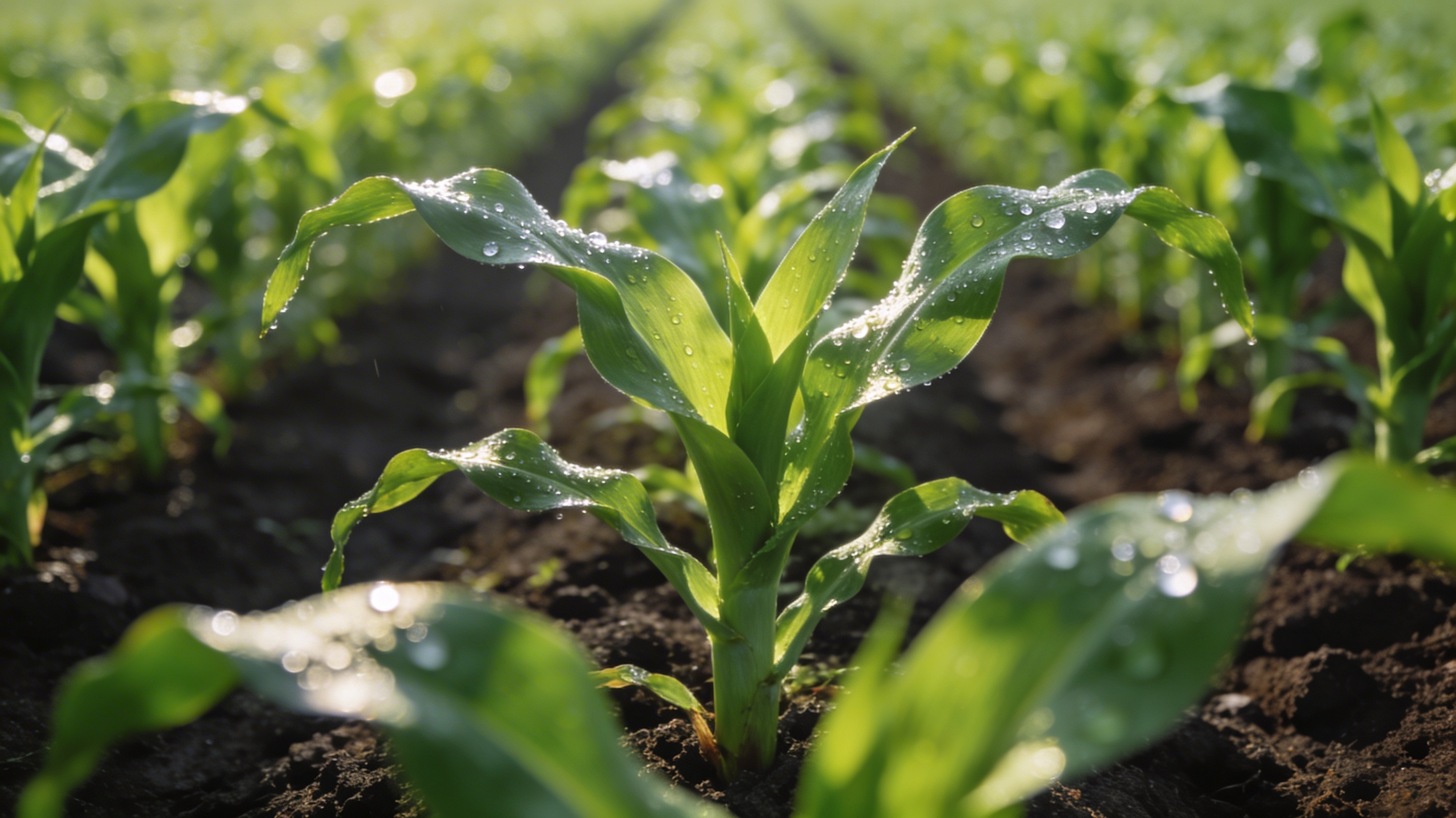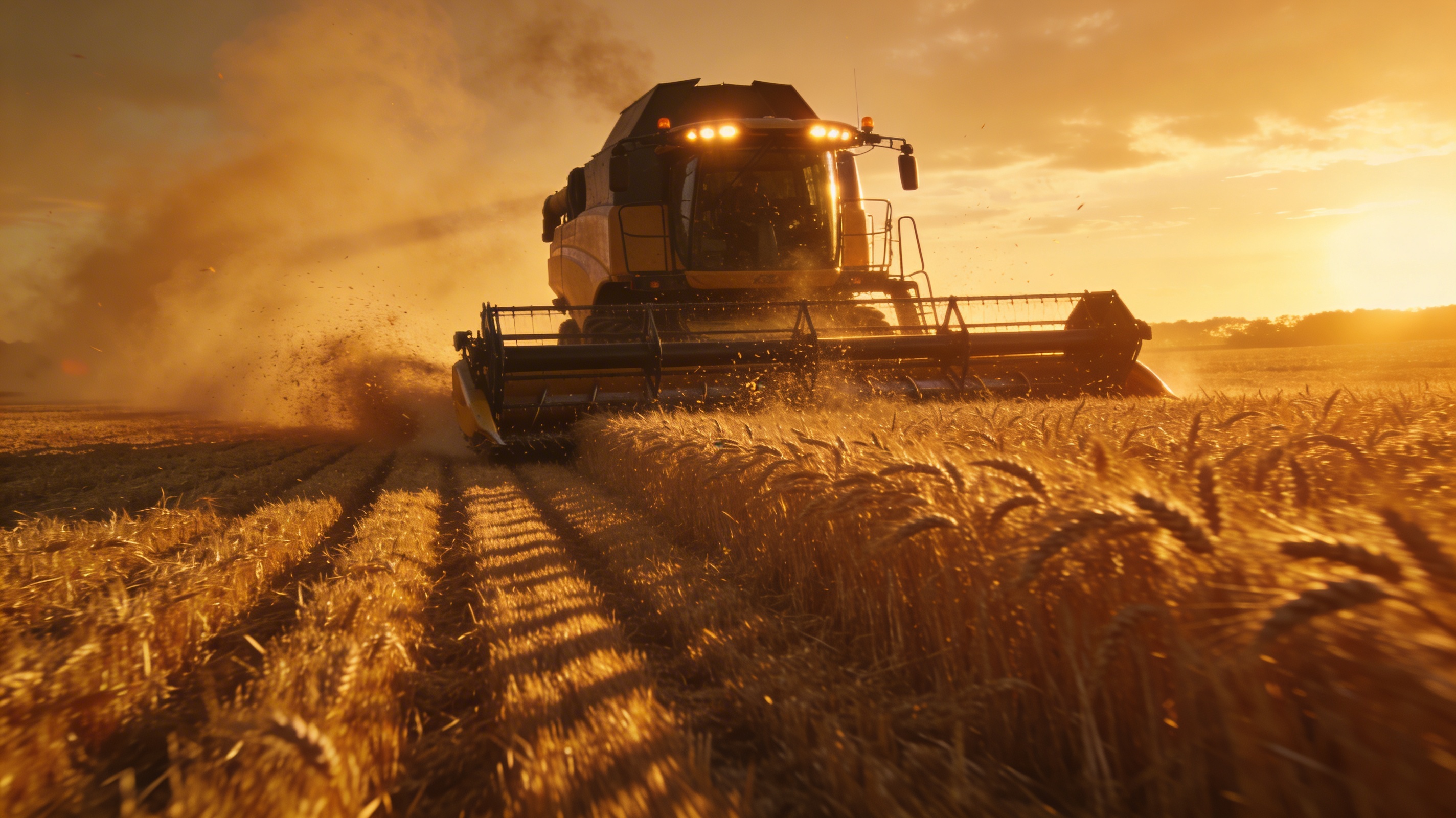
Increasing crop yields by even 10-20% can significantly improve farm profitability. Yet many small farms leave yield potential on the table due to suboptimal management practices, timing issues, or lack of data to guide decisions.
This guide covers proven strategies to optimize crop yields, from planting decisions to harvest timing, based on research and farmer experience.
Why Yield Optimization Matters
For small farms, yield improvements directly impact profitability:
- ✅ 10% yield increase = 10% more revenue (with same costs)
- ✅ Better use of fixed costs (same overhead, more production)
- ✅ Improved competitiveness
- ✅ Better return on investment
Small improvements add up. A 15% yield increase on a 100-acre farm can mean thousands of dollars in additional revenue.
Factors Affecting Crop Yields
1. Genetics (Variety Selection)
Variety selection is one of the most important yield factors. Choose varieties that:
- Are adapted to your climate and soil
- Have proven yield potential
- Resist local pests and diseases
- Match your management practices
Track yields by variety to see which perform best on your farm.
2. Planting Decisions
Planting decisions affect yields:
- Planting date: Optimal timing varies by crop and location
- Planting rate: Too few plants = low yields; too many = competition
- Planting depth: Affects emergence and early growth
- Row spacing: Can affect yields, especially for some crops
Track planting decisions and connect them to yields to see what works best.
3. Soil Management
Soil health directly affects yields:
- Fertility: Adequate nutrients are essential
- pH: Affects nutrient availability
- Organic matter: Improves water retention and nutrient supply
- Structure: Good structure supports root growth
Manage soil through testing, fertilization, and organic matter building.
4. Nutrient Management
Proper nutrient management maximizes yields:
- Right nutrients: Crops need balanced nutrition
- Right rates: Based on soil tests and crop needs
- Right timing: When crops can use nutrients
- Right placement: Where crops can access nutrients
Track fertilizer applications and connect them to yields to optimize nutrient management.
5. Water Management
Water is essential for yields. Manage water through:
- Irrigation (when available)
- Soil moisture conservation
- Timing applications to critical growth stages
6. Pest and Disease Management
Pests and diseases reduce yields. Manage through:
- Prevention (resistant varieties, crop rotation)
- Monitoring and scouting
- Timely treatments when needed
7. Weed Management
Weeds compete with crops for resources. Control weeds through:
- Crop rotation
- Cover crops
- Herbicides when needed
- Mechanical control
Yield Optimization Strategies
1. Optimize Planting Decisions
Planting decisions set the foundation for yields:
- Plant at optimal time: Not too early (cold risk), not too late (shortened season)
- Use optimal rates: Based on variety, soil, and conditions
- Ensure good seed placement: Proper depth, good seed-to-soil contact
- Consider row spacing: Some crops benefit from narrower rows
Track planting decisions and yields to see what works best on your farm.
2. Maximize Nutrient Efficiency
Nutrients are expensive. Use them efficiently:
- Test soil regularly
- Apply based on tests and crop needs
- Time applications to crop growth stages
- Use split applications for long-season crops
- Consider variable rate applications if fields vary
Track fertilizer applications and yields to see which strategies work best.
3. Manage Water Effectively
Water management is critical for yields:
- Ensure adequate water during critical growth stages
- Use irrigation efficiently (when available)
- Build soil organic matter (improves water retention)
- Time irrigation based on crop needs, not fixed schedules
4. Control Pests and Diseases
Prevent yield loss from pests and diseases:
- Use resistant varieties
- Practice crop rotation
- Monitor regularly
- Treat when economic thresholds are reached
5. Optimize Harvest Timing
Harvest timing affects yields:
- Harvest at optimal maturity (not too early, not too late)
- Minimize harvest losses
- Protect quality (affects marketability and price)
Field-Specific Yield Optimization
Different fields have different yield potential. Optimize each field based on:
- Soil characteristics
- Historical yields
- Drainage and topography
- Pest and disease history
Track yields by field to see which fields perform best and why. Use that data to:
- Identify high-potential fields (invest more)
- Identify problem fields (address issues or change management)
- Optimize inputs by field
Farm management software like AgroProfit tracks yields by field automatically, making it easy to see patterns and optimize management.
Data-Driven Yield Optimization
Use data to optimize yields:
Track Key Metrics
Track:
- Yields by field and crop
- Inputs applied (fertilizer, pesticides, etc.)
- Management practices (planting dates, rates, etc.)
- Weather conditions
- Costs and profits
Analyze Patterns
Use data to see:
- Which fields yield best and why
- Which management practices work best
- Which varieties perform best
- What inputs are most effective
Make Informed Decisions
Use data to:
- Optimize inputs by field
- Adjust management practices
- Identify problems early
- Invest in what works
Common Yield Optimization Mistakes
Avoid these mistakes:
- Focusing only on inputs: Management matters as much as inputs
- Not tracking yields: Can't optimize without data
- Ignoring field differences: Different fields need different management
- Not considering economics: Higher yields aren't always more profitable if costs are too high
- Over-applying inputs: More isn't always better—optimize, don't maximize
Yield vs. Profitability
Remember: higher yields aren't always more profitable. Consider:
- Input costs (do higher yields justify higher costs?)
- Market prices (are prices high enough to justify extra inputs?)
- Risk (do strategies increase risk?)
Track both yields and profits to see which strategies are most profitable, not just highest yielding.
Getting Started with Yield Optimization
To optimize yields on your farm:
- Start tracking: Record yields by field and crop
- Track inputs: Record all fertilizer, pesticide, and other applications
- Track management: Record planting dates, rates, varieties, etc.
- Analyze data: See what works and what doesn't
- Make adjustments: Use data to improve management
Start your free 60-day AgroProfit trial and begin tracking yields today. See yield patterns by field and crop, connect yields to inputs and management, and optimize strategies based on data.
Conclusion
Yield optimization requires good management across many factors: genetics, planting, soil, nutrients, water, pests, and timing. Track all these factors and use data to see what works best on your farm. Small improvements add up—even 10-15% yield increases can significantly improve profitability.
For small farms, yield optimization can be the difference between struggling and thriving. Don't leave it to chance—track, analyze, and optimize based on data.